1
/
up
1
Antica Dolceria Bonajuto
Maris, chocolate praline with seaweed and bottarga, 2 pieces
Maris, chocolate praline with seaweed and bottarga, 2 pieces
List price
€2.90 EUR
List price
Discounted price
€2.90 EUR
Taxes included.
Shipping costs calculated at check-out.
Quantity
Unable to load pickup availability
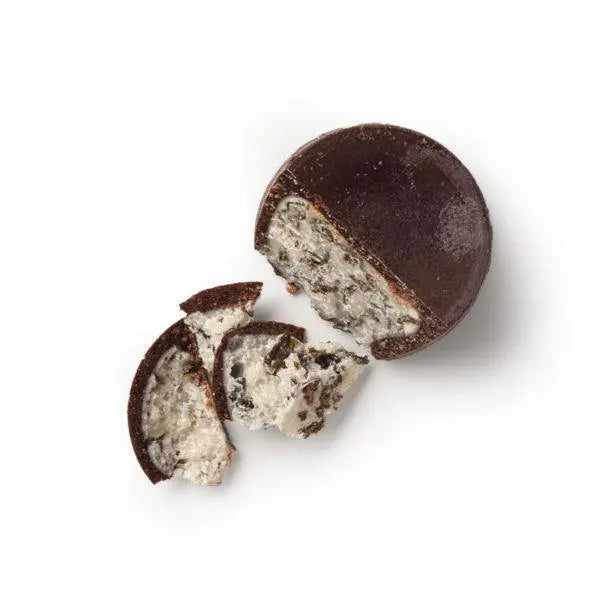
Maris it is a praline inspired by the sea that combines the taste of chocolate with the flavor of salty hints.
The salt chocolate shell encloses a soft white chocolate filling with nori seaweed and a pinch of bottarga.
A surprise on the palate where a delicate and balanced taste stands out.
Ingredients: mcocoa ax, sugar, salt, nori seaweed, tuna bottarga, white chocolate coating (sugar, cocoa butter, milk powder, soy lecithin, vanilla extract)
The chocolate ofthe ancient Bonajuto sweet shop , is produced in full respect of the Modican tradition with the highest quality standards.
TheAntica Dolceria Bonajuto for six generations and for more than 150 years it has been handcrafting and handing down sweets, nougats and chocolate from the Modican and Sicilian tradition, mostly of Arab or Spanish origin.
In 2008 it was included among the 100 excellences of Italy by Eurispes.
A LITTLE HISTORY...
In the easternmost corner of Sicily, in the splendid and baroque Modica, the ritual of preparing chocolate worked at low temperatures with "bitter paste" is handed down from generation to generation.
It was the Spaniards who brought the "xocolàtl" to Modica, a product that the inhabitants of Mexico obtained from cocoa beans crushed on a stone called "metate", so as to release the cocoa butter and obtain a grainy paste.
In the easternmost corner of Sicily, in the splendid and baroque Modica, the ritual of preparing chocolate worked at low temperatures with "bitter paste" is handed down from generation to generation.
It was the Spaniards who brought the "xocolàtl" to Modica, a product that the inhabitants of Mexico obtained from cocoa beans crushed on a stone called "metate", so as to release the cocoa butter and obtain a grainy paste.
The Modicans learned this process from the Spaniards, without ever moving on to the industrial phase over time.