1
/
up
2
Antica Dolceria Bonajuto
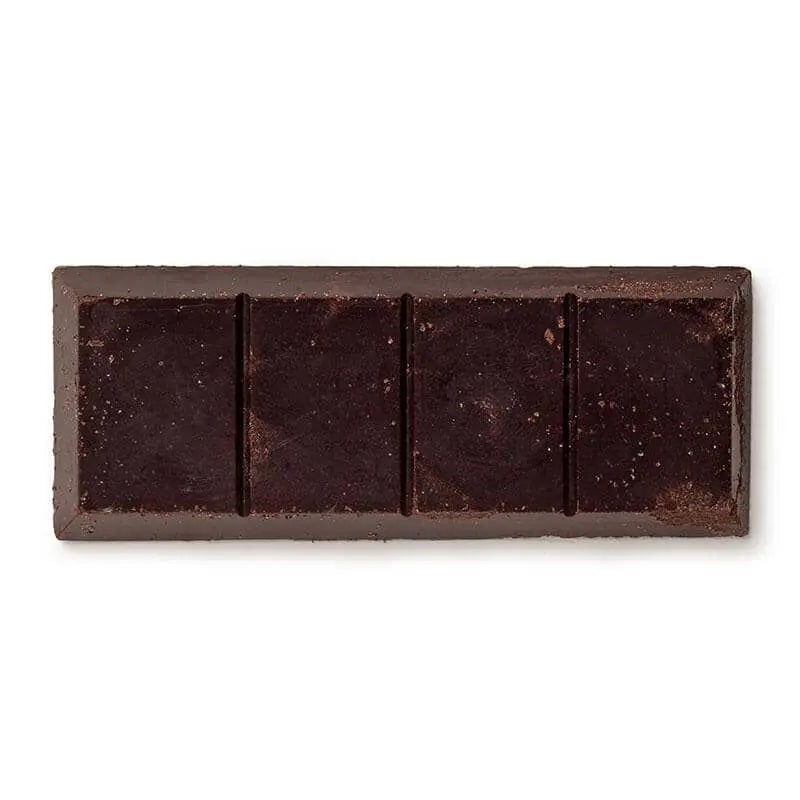
Artisan Cinnamon Chocolate, 100 gr
Artisan Cinnamon Chocolate, 100 gr
List price
€4.90 EUR
List price
Discounted price
€4.90 EUR
Taxes included.
Shipping costs calculated at check-out.
Quantity
Unable to load pickup availability
The chocolate ofthe ancient Bonajuto sweet shop, is produced in full respect of the Modica tradition with the highest quality standards.
The tablet Bonajuto chocolate with Cinnamon, together with Vanilla, it is one of the two bars in the traditional 100g format. These are the classic flavours, the first two to be historically produced. They are also the two sweetest bars among the available selection. Red has always been the color of the packaging for Cinnamon, and the design of the original packaging has been deliberately maintained.
TheAntica Dolceria Bonajuto for six generations and for more than 150 years it has been handcrafting and handing down sweets, nougats and chocolate from the Modican and Sicilian tradition, mostly of Arab or Spanish origin.
In 2008 it was included among the 100 excellences of Italy by Eurispes.
A LITTLE HISTORY...
In the easternmost corner of Sicily, in the splendid and baroque Modica, the ritual of preparing chocolate worked at low temperatures with "bitter paste" is handed down from generation to generation.
It was the Spaniards who brought the "xocolàtl" to Modica, a product that the inhabitants of Mexico obtained from cocoa beans crushed on a stone called "metate", so as to release the cocoa butter and obtain a grainy paste.
The Modicans learned this process from the Spaniards, without ever moving on to the industrial phase over time.
In the easternmost corner of Sicily, in the splendid and baroque Modica, the ritual of preparing chocolate worked at low temperatures with "bitter paste" is handed down from generation to generation.
It was the Spaniards who brought the "xocolàtl" to Modica, a product that the inhabitants of Mexico obtained from cocoa beans crushed on a stone called "metate", so as to release the cocoa butter and obtain a grainy paste.
The Modicans learned this process from the Spaniards, without ever moving on to the industrial phase over time.